
The Detour Is the Point
On friction, awareness, and the moments that matter
As a teenager in high school I went to Venezuela as an exchange student, without knowing any Spanish besides what Arnold taught me in his movies. It wasn’t exactly an accident. But it also wasn’t the plan, either. I was drawn to the idea of learning about a different country more than I was worried about being ready. So I went.
For a while, everything felt hard. Communicating with my host family about where to find towels. Going to school and talking to classmates. Reading the room. All these things that are usually so automatic that I don’t think “taking them for granted” is even adequate enough. Suddenly the became distinct events.
This is what friction does. It interrupts our autopilot. It makes us notice. It makes us remember. It provides the texture that makes life and creates memories.
Most days we all operate on muscle memory. We move through familiar environments and have our routines, big and small. We know where the coffee mugs are. We usually take the same routes to the same places - typically not the scenic one. This is all fine. It’s efficient. It makes things easier. There are less decisions to make, less things to pay attention to and process. But that’s exactly the point: we don’t pay attention, we just go, just do.
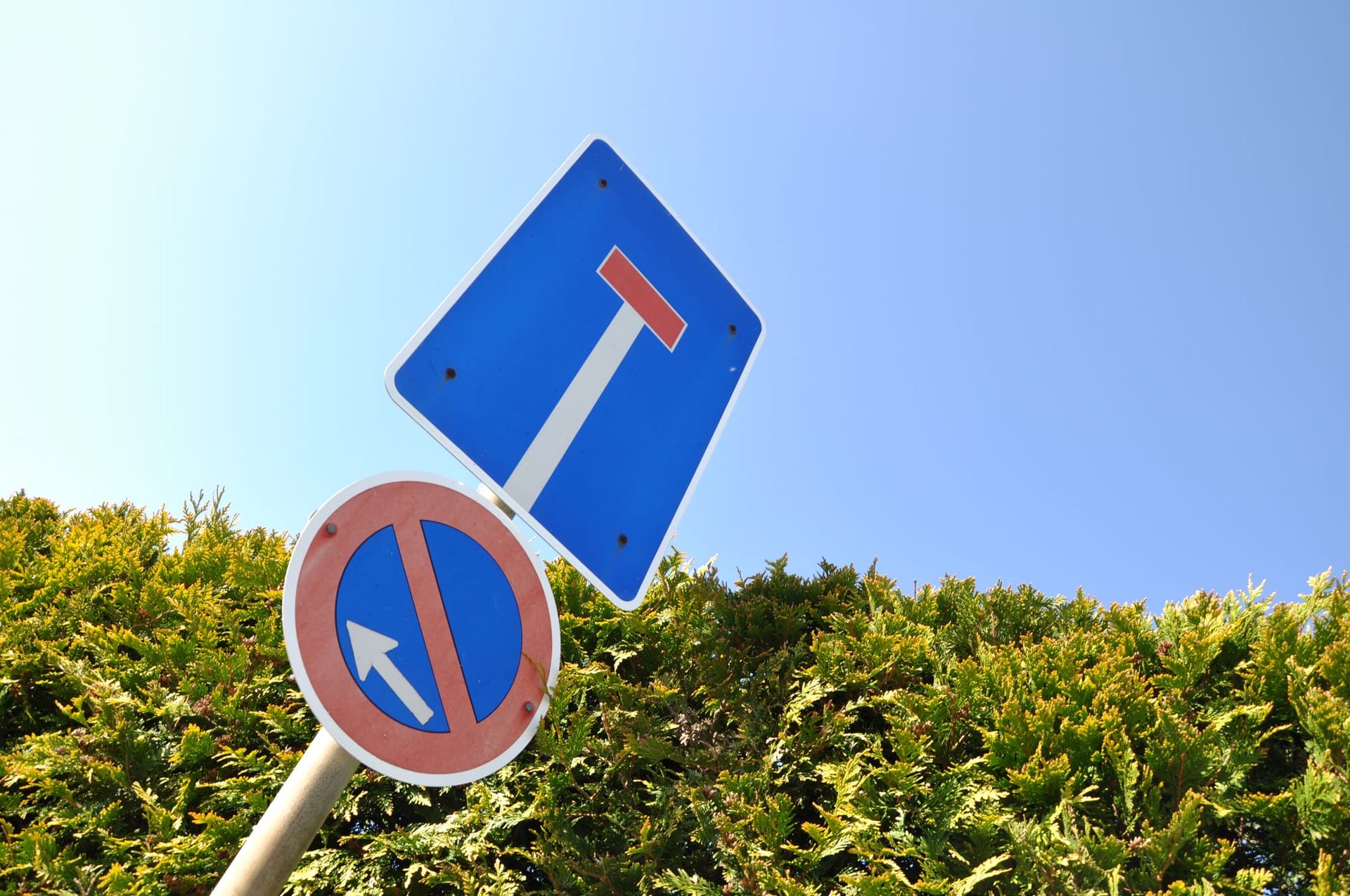
When something resists us, when a hurdle presents itself, like a language barrier, an unfamiliar environment, a detour, we notice again. We’re suddenly present in ways we weren’t even a moment before. And this presence and noticing can lead to interesting questions and observations. Why is this the way it is? What does this mean? Does it have to be this way?
Many of us experience this through life’s minor - or major - inconveniences. Some seek it out via travel, the ultimate routine disruption.
A few years ago I gave a presentation about journaling with pen and paper. I found that writing by hand made me write that much slower and pay that much more attention to what I write. I still enjoy driving places without the constant guidance by GPS, as long as I have a general sense of where I am headed, because it makes me pay a whole different kind of attention to my surroundings.
My experiences in Latin America compounded in ways I couldn't have predicted. Years later I suddenly got pulled into projects there specifically because of that background. A detour that felt ill-timed and overwhelming at times as a teenager became a personal context and perspective I didn't know I was building. The friction wasn't the obstacle. It was kind of the whole point. It was an intensive course in immersion and noticing.
I think about this a lot.
I’ve spent a long enough time in UX design and research to recognize that the default assumption in many projects is that friction is the enemy. Remove it. Reduce the number of steps and clicks. Make things easy, automatic ideally. Make the experience seamless, effortless, efficient. As far as our attention goes, we make many things downright invisible. And in many cases, that is a worthwhile goal. Nobody needs or wants to search for the buttons on the elevator. Nobody enjoys guessing whether to push or pull a door.
But lets go back to the story of suddenly noticing the most mundane experiences because they were harder. The opposite is also true. Less friction means less awareness. When we make something completely effortless, we sometimes make it completely unnoticed too. Clicking to accept terms of service. Buy with 1-click. Some interactions are designed so smoothly that people click through them without a thought. And that is part of the problem. Friction wasn't a bug. It was the feature.
There's a version of this that's intentional and good. A confirmation dialog before we delete something permanently. A beat of pause before a commitment that actually matters, such as digital forms reminding us that a digital signature carries the same weight as signing with a pen on paper. These aren't design failures. They're signals. They're saying: slow down, this moment is different from the last one. This matters, pay attention.
But we can only make those calls if we know which moments actually carry weight.
This is where research and journey mapping do their real work. It’s not just an audit of pain points to find the rough edges and smooth them out. It’s a way to learn where meaning lives. Not all moments are equal. Some are transactional and we may want them to get done fast. Some moments are consequential, like decisions or commitments. And some moments carry an emotional meaning, and intentionally slowing down gives weight to it.
Without mapping the journey carefully, actually talking to people and understanding where their attention and emotion peak, we're guessing. We might be smoothing out exactly the places we should be slowing people down, and adding unnecessary complexity to the ones that should just work.
I keep coming back to the same question, in design and outside of it.
Where are we optimizing for smoothness right now when a little resistance might actually serve us better? What are we moving through so efficiently that we’ve stopped noticing it?
Sometimes the friction is the problem. Other times it's the only reason we’re paying attention at all. And this attention shapes meaning and memories.